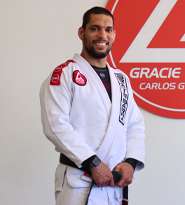
Have you ever wondered what truly sets Jiu-Jitsu competition training apart from regular classes? Hi, I am Head Prof. Seidler Rodrigo from Gracie Barra West Jordan, and I have seen how tailoring training for competition changes the way practitioners develop their skills and confidence. Competition training demands a deeper focus on strategy, physical conditioning, and mental preparation. This journey isn’t just about winning matches; it’s about growth on the mat that echoes into everyday life, and honestly, it transforms how you handle pressure and challenges.
Key Differences Between Competition Training and Regular Jiu-Jitsu Classes
At Gracie Barra West Jordan, one of the biggest distinctions between competition training and regular classes is the focused environment aimed at preparing you for real match situations. What I see every day is how students in competition training develop not just sharper techniques but a mindset tuned for challenges, pressure, and quick thinking. Regular classes build your foundational skills and love for the art, while competition training takes you deeper into refining your abilities with an eye on performance and results.
Precision and Intensity in Training
In competition training, you will notice that every move and drill is executed with higher intensity and purpose. It’s like preparing for a critical presentation at work; practicing with attention to detail and commitment. The great thing is that this focus strengthens your ability to stay calm under pressure on the mat and in life. You learn to read your opponent’s strategy, anticipate moves, and respond decisively—skills that translate to better decision-making off the mat.
Strategic Mindset and Adaptation
One of the biggest breakthroughs for our students is when they realize that competition training isn’t just physical—it’s mental. We work together to develop the discipline of analyzing every match like a puzzle. What worked? What didn’t? How do I adapt next time? This habit nurtures resilience and flexibility that you carry into daily challenges. Just like solving problems at work, learning to adjust and stay composed shapes your confidence.
The Role of Conditioning and Recovery
Competition demands more from your body. That’s why competition training at Gracie Barra West Jordan emphasizes physical conditioning and recovery routines that go beyond what regular classes cover. What happens next is that you feel stronger, have more endurance, and reduce risk of injury. This care for your body is a reflection of the discipline and respect jiu-jitsu instills — qualities that make a difference in your overall health and well-being.
Community and Support
It’s incredible to see students who arrived nervous about competition become pillars of support within our academy. Whether in regular classes or competition training, the Gracie Barra family creates an atmosphere where everyone grows together. Competition training intensifies this bond as students push each other to achieve their best. The encouragement you receive impacts your daily motivation and sense of belonging, reinforcing that you are never alone on this journey.
Head Prof. Seidler Rodrigo often says, “The real value of competition training is not just in winning matches but in building a stronger, more confident version of yourself who can face life’s challenges with courage and grace.”
How Competition Training Sharpens Technique and Strategy
At Gracie Barra West Jordan, competition training is where technique and strategy become deeply intertwined. What I see on the mat every day is how students learn to move beyond just memorizing moves— they begin to understand the “why” behind every action. The great thing is this understanding builds a kind of awareness that stretches far beyond the mat and into everyday life. It sharpens your focus, your patience, and your ability to adapt to unexpected situations.
Technique with Purpose
In competition training, you will notice that every technique is practiced with intention and precision. It’s like honing a skill that you will rely on when it matters most. What happens next is a transformation: repetitive drilling turns into muscle memory that allows you to respond quickly and effectively, even under pressure. This kind of training teaches discipline in details, which is an essential skill for personal and professional growth.
Developing Strategic Thinking
Competition jiu-jitsu teaches you to think several steps ahead. One of the biggest breakthroughs for our students is when they realize that winning isn’t just about strength, but about understanding the flow of the match. You learn to read your opponent, anticipate moves, and create opportunities. It’s much like planning a complex project; patience and observation often lead to success more than rushing.
Learning to Adapt and Overcome
Strategy in competition training also means learning how to adjust when things do not go your way. On the mat, a failed attempt is a lesson in disguise. What I see is how students grow resilient from these moments, learning that flexibility and creative problem-solving are key. This rebuilding confidence flows naturally into life situations where challenges are inevitable.
Head Prof. Seidler Rodrigo reflects, “The beauty of sharpening technique and strategy in competition training is that it prepares you not only to compete but to face life’s challenges calmly, creatively, and confidently.”
Mental Preparation: Building Mindset for Jiu-Jitsu Competitions
At Gracie Barra West Jordan, mental preparation is a cornerstone of competition training. What I see on the mat every day is that a strong mindset often outweighs pure physical strength during matches. The real transformation happens when students learn to harness their thoughts, overcome fear, and stay focused under pressure. This mental resilience also blesses their lives beyond the academy, fostering confidence and calm in daily challenges.
Training Your Mind Like Your Body
Mental toughness develops like physical conditioning; it needs consistent practice and patience. You will notice that learning to manage nervous energy before a match is much like preparing for a big presentation or life event. The great thing is that our students discover techniques for breathing, visualization, and positive self-talk that calm the mind. These tools are practical both on the mat and at work or home.
Embracing the Challenge Without Fear
One of the biggest breakthroughs for our students is when they realize fear is normal but doesn’t have to control them. Competition is a controlled environment where you learn to face uncertainty and pressure safely. Just like life, not every outcome can be predicted, but learning to stay composed helps you navigate the unknown with resilience. Every tough roll or match becomes a lesson in courage.
Building Confidence Through Growth
Confidence in competition training grows from repeated exposure and reflection. What happens next for many students at Gracie Barra West Jordan is incredible; they walk in once nervous and leave the mat months later standing taller and helping others with their mindset struggles. This ripple effect of growth creates a community where mental strength is celebrated along with physical skill.
Head Prof. Seidler Rodrigo shares, “Mental preparation is the quiet victory that supports every move you make on the mat and shows up in every part of your life.”
Physical Conditioning and Recovery in Competition Training
At Gracie Barra West Jordan, physical conditioning and recovery are essential pillars of competition training, not just an afterthought. What I see on the mat every day is that students who commit to proper conditioning perform better and recover faster. This is not only about strength or endurance but about respecting your body to maintain long-term health and avoid injuries. The great thing is that this care you learn for your body spills into everyday life, promoting better energy and well-being.
Conditioning with a Purpose
When you train for competition, your body needs to keep up with the demands of intense matches. You will notice that conditioning workouts are designed to build functional strength, agility, and endurance, mimicking the movements and pace of real fights. This targeted conditioning builds discipline and resilience. It’s like training your mind to focus, but for your body – preparing you to handle all demands with confidence.
Importance of Recovery
Recovery is often overlooked, yet it is one of the most critical parts of competing at your best. What happens next for students who embrace recovery routines is amazing; they experience less soreness, fewer injuries, and quicker bounce-back times. Recovery methods like stretching, proper rest, and hydration teach respect for your limits, which is a mindset that applies to life’s challenges as well. It’s a reminder that growth comes with balance.
Balancing Training Intensity and Wellness
One of the biggest breakthroughs for our students is learning how to listen to their bodies. In competition training, pushing limits is important, but so is knowing when to rest. This balance builds long-term discipline and sustainability. It’s like managing workload at a job; success comes from smart effort, not just hard work. Our academy fosters this balance, guiding students to excel without burnout.
Head Prof. Seidler Rodrigo says, “Taking care of your body through conditioning and recovery is how you build a foundation that supports not only competition but a healthier, stronger life.”
Balancing Competition Training with Regular Jiu-Jitsu Practice
At Gracie Barra West Jordan, balancing competition training with regular jiu-jitsu classes is key to a sustainable and fulfilling journey. What I see on the mat every day is how students who blend these two approaches enjoy steady progress without burning out. Regular classes nurture your foundational skills, community connections, and love for the art, while competition training sharpens your edge and tests your limits. This balance supports not only growth on the mat but also confidence and discipline in life.
The Importance of a Strong Foundation
Regular classes build your base skills, teaching you the techniques and principles that form the heart of jiu-jitsu. You will notice that practicing consistently in a non-competitive environment helps create muscle memory and a calm mindset. It’s like laying the bricks of a house; without a solid foundation, the structure won’t stand strong under pressure, whether on the mat or in life.
Targeted Focus During Competition Training
Competition training hones in on specific skills, strategies, and conditioning needed for the challenges of a match. One of the biggest breakthroughs for our students is realizing how this intense focus improves their adaptability and mental toughness. However, going full force in competition training without balance can lead to fatigue or injury, which is why pacing plays a critical role.
Listening to Your Body and Mind
Balancing both types of training means learning to listen to your body and mind. What I see is that students who respect their limits and allow time for recovery experience consistent improvement and fewer setbacks. Think of it as managing your energy at work; smart allocation avoids burnout and keeps performance high over the long run.
Head Prof. Seidler Rodrigo often says, “Balancing competition focus with regular training creates not just better athletes, but stronger, more confident people who thrive inside and outside the academy.”
What I want you to take away is that Jiu-Jitsu competition training and regular classes each play important roles in your journey. At Gracie Barra West Jordan, we focus not just on techniques, but on building confidence, discipline, and a strong mindset that will support you inside and outside the academy. Remember, balance is key — nurturing your foundation while pushing your limits wisely keeps you growing and enjoying every step.
If you have been thinking about starting, come visit us at Gracie Barra West Jordan for a free class. I would be glad to welcome you on the mat and show you what Jiu-Jitsu can do for your life.
FAQ – Common Questions About Jiu-Jitsu Competition Training vs Regular Classes
What is the main difference between competition training and regular Jiu-Jitsu classes?
Regular classes focus on building strong foundational skills and community, while competition training sharpens your technique and mindset specifically for match situations. Both are important, and balancing them leads to the best results.
Is competition training suitable for beginners?
Even beginners can benefit from competition training principles, and at Gracie Barra West Jordan, competition training is introduced gradually and safely to build confidence without feeling overwhelmed.
How do I balance competition training with regular classes?
Listening to your body and mind, balancing intense competition sessions with regular classes and recovery helps maintain steady progress and avoid burnout.
Why is mental preparation important in competition training?
Mental strength can be the key difference in matches and life. Techniques are taught to manage fear and maintain focus under pressure, increasing confidence on and off the mat.
Do I need to be in top physical shape for competition training?
Physical conditioning is important, but Gracie Barra West Jordan guides you step-by-step to build strength and recovery habits suited to your level, becoming part of a healthier lifestyle.
What support can I expect from instructors and the community?
The academy offers a supportive family environment, instructors guide with care, and the community motivates through every stage.