Have you ever wondered whether Gi or No-Gi Jiu-Jitsu serves better for self-defense? Hi, I am Head Prof. Seidler Rodrigo from Gracie Barra West Jordan. What I have observed over the years is that both forms have unique strengths, and understanding these can shape your confidence and readiness. Jiu Jitsu, the gentle art, is not just about movements on the mat, but about preparing for life’s unpredictable moments. And honestly, when you train consistently here, you’ll notice how this knowledge helps you feel safer and more empowered in everyday situations.
Understanding Gi and No-Gi Jiu-Jitsu: Key Differences and Similarities
At Gracie Barra West Jordan, one of the first conversations I have with new students is about the differences and similarities between Gi and No-Gi Jiu-Jitsu. What happens next is often surprising because understanding these distinctions is not just about clothing or rules; it’s about grasping the mindset and approach that each style fosters. Those white, blue, purple belts you see on the mats are symbols not just of skill but of a journey in discipline and self-awareness.
What Sets Gi and No-Gi Apart
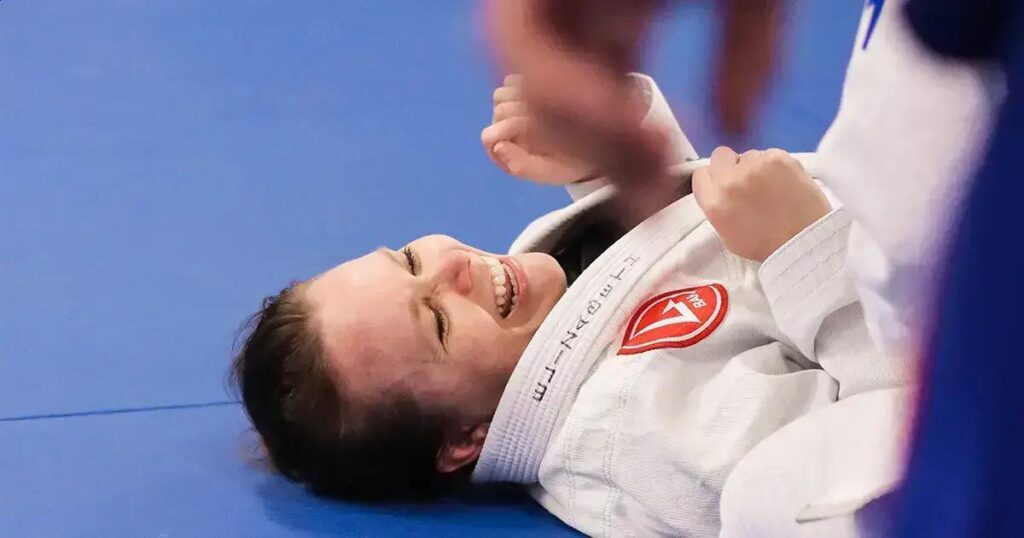
The Gi is the traditional uniform, a jacket and pants that provide grips, making techniques more controlled and deliberate. Training in the Gi teaches precision, patience, and how to control an opponent through holds and grips. Practicing with the Gi is like learning to write with a pen—it requires finesse and intention.
No-Gi, by contrast, involves wearing shorts and a rash guard, requiring you to rely more on body positioning, speed, and leverage since there are no fabric grips to hold onto. It feels more like freestyle dance—fluid, fast-paced, and adaptable. This trains your reflexes and sharpens your ability to respond quickly without relying on traditional grips.
Shared Foundations That Build Confidence
What I see on the mat at Gracie Barra West Jordan is that whether you train in Gi or No-Gi, the core principles of leverage, timing, and control remain the same. Each style teaches you resilience and patience, essential traits not only on the mat but in everyday life challenges. You will notice that learning these crafts enhances your calmness and ability to think strategically, even when under pressure.
The real value is in how these practices translate to life. For instance, a student gaining confidence to stand up for themselves or handle stress calmly isn’t just learning a sport—they’re building inner strength. “The great thing about Jiu-Jitsu,” one of my longtime students said recently, “is how it changes not just your body but your mindset.”
The Best Way to Choose
One of the biggest breakthroughs I see is when students realize that the choice between Gi and No-Gi isn’t about which is better, but which suits their personal journey and goals. Some find discipline and tradition in the Gi, while others appreciate the speed and fluidity of No-Gi. Either way, you are joining a community that supports growth and safety.
What I always tell my students at Gracie Barra West Jordan is this: focus on learning the principles deeply. The clothing is just a tool; the real transformation happens in how you carry yourself off the mat. That confidence and discipline stick with you every day.
Quote from Head Prof. Seidler Rodrigo: “Understanding the differences between Gi and No-Gi is like understanding different languages. Both help you communicate with your body and mind, but mastery comes when you appreciate what each teaches you about yourself.”
How Gi Training Builds Foundational Techniques for Self-Defense
At Gracie Barra West Jordan, Gi training is the heart of building strong self-defense skills. What I see on the mat every day is how the Gi challenges students to develop patience, precision, and control. Wearing the Gi teaches you more than just technique; it teaches the power of grip and leverage, which are essential for controlling any situation safely and effectively.
The Power of Control Through the Gi
When you train in the Gi, you learn to use grips to manipulate your opponent’s movements. This is incredibly practical because it translates directly into controlling an aggressor without relying on strength alone. It’s like learning to steer a car instead of just pushing it—that control makes all the difference in keeping yourself safe.
The great thing is that mastering Gi grips and controls builds patience and resilience. One of the biggest breakthroughs for our students happens when they realize that control on the mat mirrors control in life. Staying calm under pressure and managing difficult encounters is a skill that transcends the mat.
Building a Foundation for Real-Life Defense
Gi training helps you practice escapes, submissions, and positional control with a partner who provides realistic resistance. This develops your ability to stay composed in tight situations. I often say to new students at Gracie Barra West Jordan, “Learning the Gi is learning how to stay steady when life pulls you in all directions.”
You will notice that the discipline and focus required for Gi training improve your awareness and readiness. This preparedness is vital in self-defense because it combines mental calmness with physical skill.
Quote from Head Prof. Seidler Rodrigo: “The Gi teaches more than technique; it teaches patience, control, and respect—qualities that protect you not just on the mat but in every aspect of life.”
The Advantages of No-Gi Jiu-Jitsu in Real-World Self-Defense
At Gracie Barra West Jordan, one of the advantages of No-Gi Jiu-Jitsu I often highlight to my students is how it prepares you for unpredictable, real-world encounters. What I see on the mat every day is that No-Gi training encourages adaptability and quick thinking because you can’t rely on grips from a traditional uniform. This forces you to develop a more instinctive and fluid style, which is crucial when facing unexpected situations outside the academy.
Speed and Fluidity for Real-Life Situations
Training No-Gi means learning to move quickly and efficiently. You become more aware of your body’s positioning, balance, and timing. It’s like learning to navigate a crowded street versus an empty hallway; the movements need to be swift and precise to avoid danger. Students often tell me that No-Gi has improved their reflexes, making them feel safer and more confident in daily life.
Strengthening Mental and Physical Agility
What happens next in No-Gi is that you develop mental sharpness alongside physical agility. Without the fabric grips of the Gi, you rely on holds, angles, and leverage in a dynamic environment. This builds resilience and the ability to think on your feet, qualities that translate well when dealing with stressful or threatening events in life.
One of the biggest breakthroughs for our students is when they realize that adapting to No-Gi training helps them stay calm during surprises. It’s like solving a puzzle where the pieces keep changing—you learn patience, focus, and trust in your skills.
Quote from Head Prof. Seidler Rodrigo: “No-Gi Jiu-Jitsu teaches you to be fast, adaptable, and in control when nothing goes as planned. This is the real gift it offers for self-defense and life.”
Situational Awareness: Integrating Jiu-Jitsu with Practical Self-Defense Strategies
At Gracie Barra West Jordan, I often remind students that Jiu-Jitsu is not just a martial art but a powerful tool to enhance your situational awareness and overall safety in daily life. What I see on the mat every day is how training develops your senses and instincts, teaching you to remain calm, observe carefully, and respond effectively to threats before they escalate.
Why Situational Awareness Matters
Situational awareness is like having an extra set of eyes and ears around you. It’s the ability to notice details others might miss, such as body language or changes in environment. One of the biggest breakthroughs for our students is when they realize that this skill transforms their confidence outside the gym. You will notice that as your awareness sharpens, you make safer choices, avoid risky situations, and feel more secure walking through everyday life.
How Jiu-Jitsu Enhances Awareness and Reaction
What happens next is that Jiu-Jitsu reinforces mental clarity and quick decision-making. When you spar, you learn to read your opponent’s intentions through subtle movements, building the habit of paying attention to small cues. This mental habit carries over into real-world encounters. A student once shared that after training, they could sense tension early in a social setting and calmly remove themselves before things got out of control.
Integrating Jiu-Jitsu with Self-Defense Strategy
It’s important to remember that physical skill alone isn’t enough. The great thing is when you pair Jiu-Jitsu techniques with awareness, you create a complete self-defense system. This means knowing when to engage, when to de-escalate, and when to escape safely. Training at Gracie Barra West Jordan equips you with these tools through practical drills and mindset coaching.
Quote from Head Prof. Seidler Rodrigo: “True self-defense begins with awareness. Jiu-Jitsu teaches you to stay present, see clearly, and act confidently in any situation.”
Choosing the Right Path: Factors to Consider for Your Self-Defense Journey
At Gracie Barra West Jordan, I often find that one of the most common questions students ask is how to choose between Gi and No-Gi training for their self-defense journey. What I see on the mat every day is that this choice is deeply personal and tied to your goals, lifestyle, and even your mindset.
Understanding Your Personal Goals
Some students come looking for discipline and tradition, which the Gi provides through its structured grips and slower pace. It’s like learning to write with your dominant hand before trying to switch—it builds a strong foundation. Others prefer the speed and adaptability of No-Gi, which better simulates real-world encounters where clothing might not provide grips. This is more like learning to respond to sudden changes quickly, a valuable skill in unpredictable situations.
Evaluate Your Lifestyle and Preferences
What happens next is that you begin to see how your daily life fits with your training choice. If you prefer detailed technique and precision, Gi classes might feel more fulfilling and structured. If you enjoy a faster pace and dynamic movement, No-Gi could be more enjoyable and practical. At Gracie Barra West Jordan, we encourage trying both to see what resonates, because the journey is about what makes you feel confident and motivated.
Consider Your Self-Defense Needs
It’s incredible to watch students gain awareness that self-defense is more than physical skill. It’s about confidence, calmness under pressure, and knowing when to use your skills. Choosing the right path means selecting a training style that supports these mental and emotional benefits along with practical techniques.
Quote from Head Prof. Seidler Rodrigo: “The right path in Jiu-Jitsu is the one that keeps you coming back, learning, and growing. Whether Gi or No-Gi, it’s about finding what empowers you on and off the mat.”
Thank you for taking the time to explore the important differences and benefits of Gi and No-Gi Jiu-Jitsu with me. At Gracie Barra West Jordan, I have seen countless students grow not only in technique but in confidence, discipline, and personal safety through their training choices. Remember, the best style for self-defense is the one that fits your life and keeps you motivated to keep learning and improving.
If you have been thinking about starting, come visit us at Gracie Barra West Jordan for a free class. I would be glad to welcome you on the mat and show you what Jiu-Jitsu can do for your life. Let’s take this journey together, one step at a time.
FAQ – Common Questions About Gi and No-Gi Jiu-Jitsu for Self-Defense
What is the main difference between Gi and No-Gi Jiu-Jitsu?
The key difference is the clothing and grips. Gi uses a uniform that allows you to grip fabric, helping with control and technique, while No-Gi relies more on body positioning and speed without those grips. Both teach valuable skills for self-defense.
Which style is better for real-life self-defense?
Neither is better universally; it depends on your personal goals. Gi builds patience and control, ideal for detailed technique, while No-Gi develops quick reflexes and adaptability.
Can beginners start directly with No-Gi classes?
Beginners can try both styles. No-Gi can be more dynamic, but every student is guided carefully, ensuring a safe and supportive learning environment.
How does Jiu-Jitsu training improve confidence outside the gym?
Jiu-Jitsu teaches you to stay calm under pressure and solve problems methodically, which naturally boosts confidence in everyday situations.
Is physical fitness required before starting Jiu-Jitsu?
No, Jiu-Jitsu welcomes all fitness levels. Training improves health and strength gradually. Consistency and mindset matter more than current fitness.
How can I know if Jiu-Jitsu is right for my self-defense needs?
Choosing the right path depends on your lifestyle and goals. Understanding both Gi and No-Gi options helps gain skills and confidence tailored to your needs.