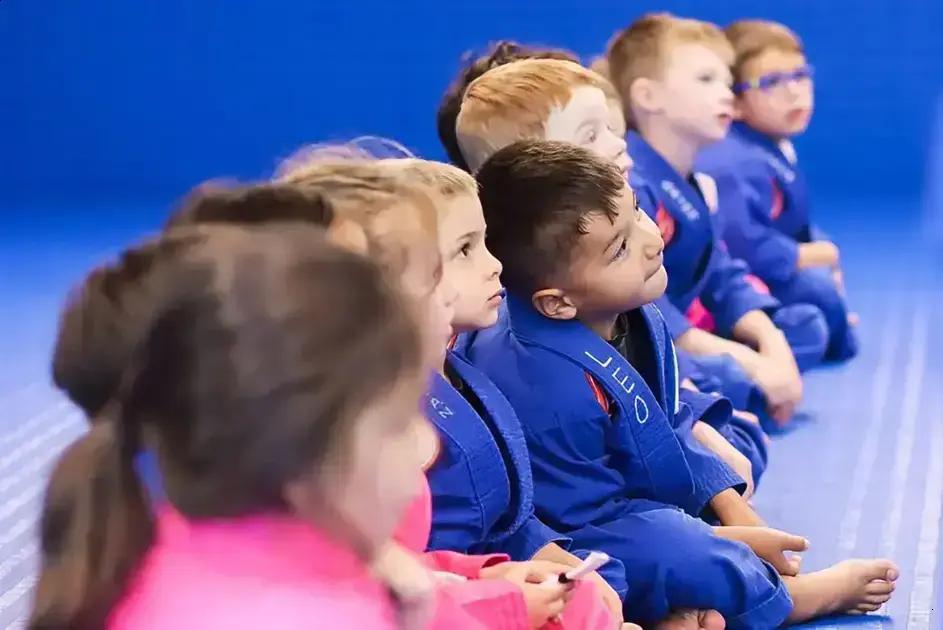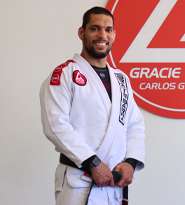
Have you ever wondered how often you should train Jiu-Jitsu when you’re just starting out? Hi, I am Head Prof. Seidler Rodrigo from Gracie Barra West Jordan, and I have seen how Jiu-Jitsu for beginners can spark incredible growth in confidence and well-being. From my experience, finding the right balance between dedication and rest is key to your journey. Training too often too soon might lead to frustration, but consistent, well-paced sessions lay the foundation for lasting success. Let’s explore how to make the most of your early classes with an approach that respects your body’s rhythm.
How to Start Your Jiu Jitsu Journey Without Overwhelm
Starting your Jiu-Jitsu journey at Gracie Barra West Jordan can feel overwhelming at first, but that feeling is a sign you are stepping into something truly transformative. What I see on the mat every day is how beginners quickly find their rhythm when they understand that Jiu-Jitsu is not about rushing to mastery, but about steady progress and self-discovery.
Embrace the Beginner’s Mindset
One of the biggest breakthroughs for our students is when they realize that it’s okay not to know everything right away. You will notice that every small skill you learn, from basic positions to simple movements, builds a foundation that supports your growth both on and off the mat. This translates directly to life, where patience and persistence bring the biggest rewards.
Focus on Consistency, Not Intensity
Many beginners ask how often they should train. The important thing is to listen to your body and mind. What happens next is a natural progression: with consistent, manageable sessions, your confidence and abilities will steadily increase. Training too hard too fast can lead to burnout, but steady commitment creates habits that improve your discipline and health.
Find Support in the Community
At Gracie Barra West Jordan, you quickly become part of a supportive family. The friendships and encouragement you receive here are part of why Jiu-Jitsu works so well for personal growth. It’s incredible to see a student who walked in feeling uncertain later become a mentor for newcomers, standing tall with a smile on their face.
Remember, Jiu-Jitsu teaches you resilience and adaptability. Like solving a tough problem bit by bit, every class helps you gain confidence and discipline to face challenges beyond the mat.
Quote from Head Prof. Seidler Rodrigo: “The journey starts with a single step on the mat, and the beautiful part is that every step teaches you not just technique, but how to be stronger in life.”
The Ideal Weekly Training Frequency for Beginners
At Gracie Barra West Jordan, one of the most common questions I hear is about how often beginners should train. What I see on the mat every day is that the ideal training frequency is not just a number; it’s a balance that helps you grow safely while building real confidence and discipline.
Why Consistency Matters More Than Frequency
You might think training every day is the fastest way to improve, but what happens next is often burnout or injury. The great thing is that training two to three times a week provides enough repetition for your body and mind to absorb techniques and build muscle memory without overwhelming you. This steady rhythm strengthens your commitment and helps your health improve gradually.
Listening to Your Body and Mind
Beginners often worry about missing classes or not training “enough.” However, one of the biggest breakthroughs for our students is learning to tune into their own needs. If you feel tired or sore, resting is part of the process. Jiu-Jitsu teaches discipline, but that includes respecting your body’s limits to avoid setbacks.
Adapting Frequency as You Progress
As your skills and confidence grow, you will notice your ability to handle more training increases naturally. Some students find three to four sessions per week ideal as they become more comfortable with techniques and recovery. Just like in life, adapting your routine based on progress and circumstances is key to sustainable success.
Think of the ideal weekly training frequency as planting seeds rather than rushing flowers. By giving your body time to soak in each lesson, you develop resilience that goes beyond the mat.
Quote from Head Prof. Seidler Rodrigo: “Training smart and consistent creates a foundation that lasts a lifetime; it’s not about speed but about building strength inside and out.”
Balancing Rest and Training: Avoiding Burnout on the Mat
At Gracie Barra West Jordan, I’ve seen firsthand how balancing rest and training is crucial for beginners to thrive in Jiu-Jitsu. What I see on the mat every day is that students who respect their body’s need for recovery enjoy longer-lasting progress and avoid frustration or injury.
The Importance of Listening to Your Body
One of the biggest breakthroughs for our students is understanding that rest is not a setback but part of the training process. You will notice that when you allow time for your muscles and mind to recuperate, your learning becomes deeper and movements more precise. This respect for your body builds discipline and patience, valuable traits that extend well beyond the gym.
Recognizing Signs of Burnout
Burnout often comes quietly; fatigue, decreased motivation, and irritability are common signals. At Gracie Barra West Jordan, we encourage beginners to communicate openly about how they feel. This honest dialogue helps tailor training schedules that support steady improvement without overwhelming your system.
Integrating Rest into Your Routine
Think of your training weeks like planting a garden. If you overwater, the roots can’t grow strong. Similarly, the great thing is that scheduling rest days between sessions allows your skills to settle and your confidence to build naturally. Learning this balance teaches resilience, a skill that benefits your personal and professional life as much as your time on the mat.
Quote from Head Prof. Seidler Rodrigo: “Knowing when to push and when to pause is a lesson Jiu-Jitsu teaches deeply; balance is the secret to progress that lasts.”
Adapting Training Frequency as Skills and Confidence Grow
At Gracie Barra West Jordan, what I see on the mat every day is that as our students’ skills and confidence grow, their training frequency naturally changes. It is not about pushing harder blindly, but about understanding your own progress and trusting the journey.
Growing with Your Own Pace
One of the biggest breakthroughs for our students is when they recognize that training isn’t a fixed schedule but a personal rhythm. As you advance, you might find yourself eager to train more often, and that’s a sign of your body and mind adapting. What happens next is a deeper connection to the art and yourself.
Adjusting to New Challenges
As techniques become more complex and your endurance improves, increasing your sessions to three or four times a week often helps solidify your skills. This progression mirrors life’s challenges where growth requires more attention and effort. You will notice that balancing increased training with proper rest maintains your motivation and physical health.
Confidence Fuels Commitment
It’s incredible to see a student who trained once or twice a week gradually take pride in stepping up their game with more frequent classes. That confidence carries far beyond the gym, improving how they face everyday situations. Training frequency becomes a reflection of your dedication to personal growth and well-being.
Think of it like tuning a musical instrument; more frequent practice brings harmony, but it must be balanced with care and attention.
Quote from Head Prof. Seidler Rodrigo: “Progress isn’t about rushing; it’s about listening to yourself and allowing your confidence to guide how often you show up to grow.”
Tips for Staying Motivated and Consistent in Early Jiu Jitsu Training
At Gracie Barra West Jordan, what I see on the mat every day is that motivation and consistency are the heartbeats of progress in Jiu-Jitsu. Staying motivated is not about bursts of energy but cultivating habits that support your growth both physically and mentally.
Connecting to Your ‘Why’
One of the biggest breakthroughs for our students is realizing why they started training. You will notice that when your training is tied to clear personal goals—whether it’s gaining confidence, improving health, or feeling safer—that purpose becomes a powerful fuel to keep showing up, especially on challenging days.
Celebrate Small Wins
Jiu-Jitsu is a journey made of many small victories. It’s incredible to see a student who once struggled with a basic move later helping a new partner learn it. These moments build quiet confidence and remind you that progress is happening, even when it feels slow.
Building a Supportive Community
The great thing is that at Gracie Barra West Jordan, you are part of a family that encourages and uplifts each other. Training alongside others who share your dedication creates accountability and joy. What happens next is that your consistency becomes easier because you’re not alone on the path.
Routine and Flexibility
Creating a consistent schedule helps embed training into your life, but flexibility is key to avoid burnout. Listening to your body and mind enables you to adjust when needed, balancing effort with rest effectively.
Quote from Head Prof. Seidler Rodrigo: “Motivation can ebb and flow, but consistency builds character and strength. When you fall, get back up knowing every class brings you closer to a better you.”
Training in Jiu-Jitsu is a journey filled with growth, discipline, and transformation. At Gracie Barra West Jordan, I’ve seen how beginners who find the right balance in their training frequency, respect rest, and stay motivated create a foundation for lasting success on and off the mat. Remember, progress is not about rushing but about showing up, learning, and embracing every step along the way.
If you have been thinking about starting, come visit us at Gracie Barra West Jordan for a free class. I would be glad to welcome you on the mat and show you what Jiu-Jitsu can do for your life.
FAQ – Common Questions About Training Frequency for Jiu-Jitsu Beginners
How often should a beginner train Jiu-Jitsu to see progress without getting overwhelmed?
We always tell our new students that training two to three times a week is a great place to start. This frequency allows your body to adapt and your mind to absorb techniques without risking burnout or injury.
Is it okay to rest if I don’t feel 100% before a class?
Absolutely. Listening to your body is key. You might be surprised to learn that rest is as important as training because it helps your muscles recover and keeps your motivation high. Taking a break when needed helps you come back stronger.
How does resting affect my progress in Jiu-Jitsu?
Rest allows your skills to settle and your confidence to grow outside the mat. At Gracie Barra West Jordan, we see that students who balance rest and training consistently improve faster and stay motivated longer.
Can I increase training frequency as I get better?
Yes, as your skills and confidence grow, you may find yourself ready to train more often. We encourage students to trust their own pace—progressing from two or three sessions to three or four is natural and helps build discipline and resilience.
What if I feel unmotivated to train sometimes?
We all face those days. The great thing about training at Gracie Barra West Jordan is the community support that keeps you going. Remembering your personal goals and celebrating small wins can reignite your motivation. Come try a free class to experience the energy for yourself!
How can I start training if I’ve never done Jiu-Jitsu before?
We welcome absolute beginners warmly here. Many students start feeling at home after their first class. You’re invited to book a free trial class at Gracie Barra West Jordan, where we focus on creating a safe and supportive environment to help you build confidence and skill step by step.